Not every student is destined for a four-year university, and that’s a good thing. The trades and service industries are full of rewarding, stable careers that don’t require a traditional degree, and many offer the freedom of self-employment. For educators and career counselors, introducing students to hands-on paths like dog grooming and dog walking can open doors to genuine opportunity. These skilled, people-and-animal-focused jobs are a great example of how vocational training prepares students for real, in-demand work.
Why Consider the Pet Care Industry?
 The pet care industry has boomed as more households welcome dogs and treat them like family. That growth has created steady demand for groomers, walkers, sitters, and trainers. These careers reward reliability, patience, and skill rather than test scores, making them an excellent fit for students who learn best by doing. Best of all, the barriers to entry are low, and the earning potential grows quickly with experience and a loyal client base.
Dog Walking: A Flexible Entry Point
 Dog walking is one of the most accessible ways to enter the pet care field. Startup costs are minimal, leashes, waste bags, comfortable shoes, and reliable transportation. It teaches students valuable lessons in time management, scheduling, customer communication, and running a small business. Many walkers build routes serving multiple clients per day, and the flexible hours make it ideal for those balancing other commitments or testing self-employment for the first time.
Dog Grooming: A Skilled, Higher-Earning Trade
Grooming requires more training but offers higher income potential. Aspiring groomers can learn through apprenticeships, grooming schools, or hands-on experience at an established salon. The work blends artistry and animal handling, clipping, bathing, styling, and managing dogs of all temperaments. It’s a true skilled trade, and demand stays strong because grooming is a recurring service, not a one-time purchase.
What Can a Groomer Charge?
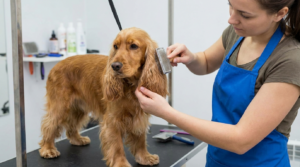 The earning potential becomes clear when you look at real numbers. Take a cocker spaniel, a breed that requires regular, detailed grooming because of its thick, feathered coat. A cocker spaniel grooming cost typically runs between roughly $50 and $90, depending on location, coat condition, and the services included. Many owners book appointments every four to six weeks, which means a single client can generate hundreds of dollars per year. A groomer who builds a steady roster of repeat clients can earn a solid, dependable income, especially after going independent or opening their own shop.
Teaching the Path Forward
For educators, the lesson is that success comes in many forms. Introducing students to these careers, alongside trades like welding, plumbing, HVAC, and electrical work, broadens their sense of what’s possible. Encourage them to seek apprenticeships, certifications, and mentorships, and to understand the basics of running a small business: pricing, scheduling, customer service, and marketing.
By presenting blue-collar and service careers as legitimate, respectable, and lucrative options, teachers can help every student find a path that fits, whether that leads to a college campus or a grooming table.